PAPER
For applications where the use of paper is technically compatible with the product and the packaging system.
For applications where the use of paper is technically compatible with the product and the packaging system.
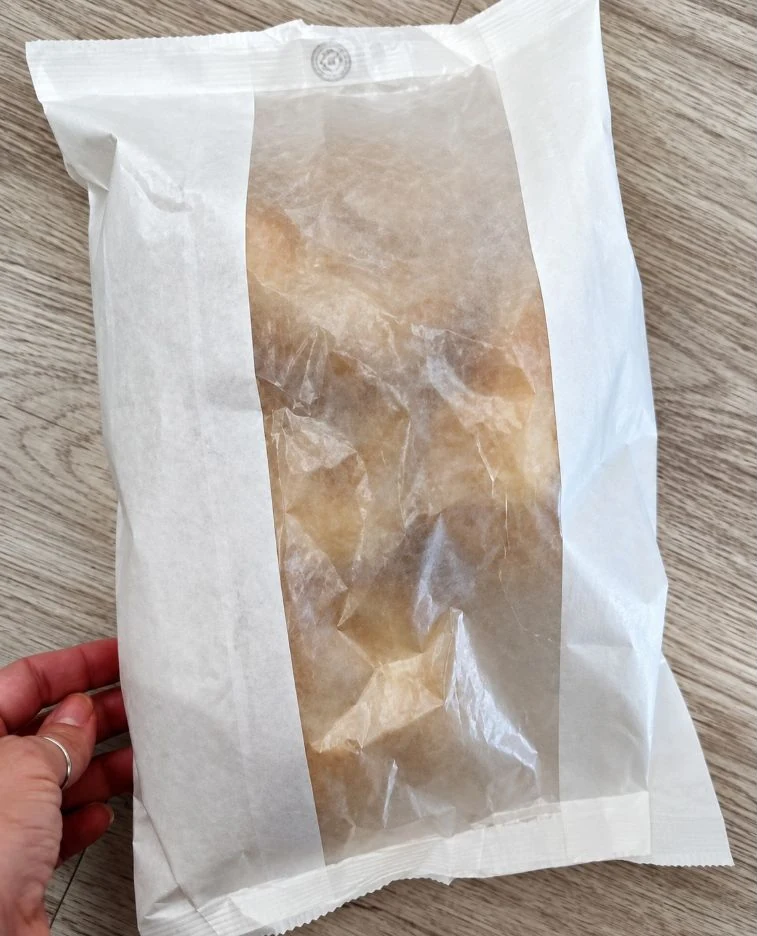
A solution that combines the appearance of paper with the possibility of displaying the product.
Solutions to be assessed according to the characteristics of the product and its packaging.
Options to be assessed case by case, checking technical compatibility and applicable requirements.
Creating low-impact products is essential to protect the environment and reduce the ecological footprint of production activities. One of the most effective strategies is to minimise unnecessary packaging, moving towards a 'zero packaging' philosophy. Flexible solutions designed for separate waste collection. Designing packaging to fit the product can reduce raw material use and waste. Whether flexible packaging can be recycled depends on its composition and the available collection and treatment systems.
Eco-design involves integrating sustainability criteria from the earliest design stages, analysing the entire packaging life cycle. This approach means choosing resources with a reduced environmental impact, making components easy to disassemble to facilitate recycling, and optimising energy consumption.
Using recycled or renewable materials can help reduce environmental impact, depending on the material, the production process and end-of-life management. Biodegradability, compostability and recyclability are different properties. For biodegradable and compostable materials, treatment conditions and compatibility with available collection systems must be checked. Environmental benefits should be assessed across the entire packaging life cycle.
Reducing a package's impact does not simply mean replacing one material with another. The entire process must be considered. How much material do we use? How many components are needed? Does the packaging protect the product well? Is it compatible with the machine? How is it handled at the end of its life? These are simple but essential questions.
Sustainable communication must be precise. This is why we avoid absolute promises and assess every solution according to its actual characteristics, the performance required and the applicable requirements.